

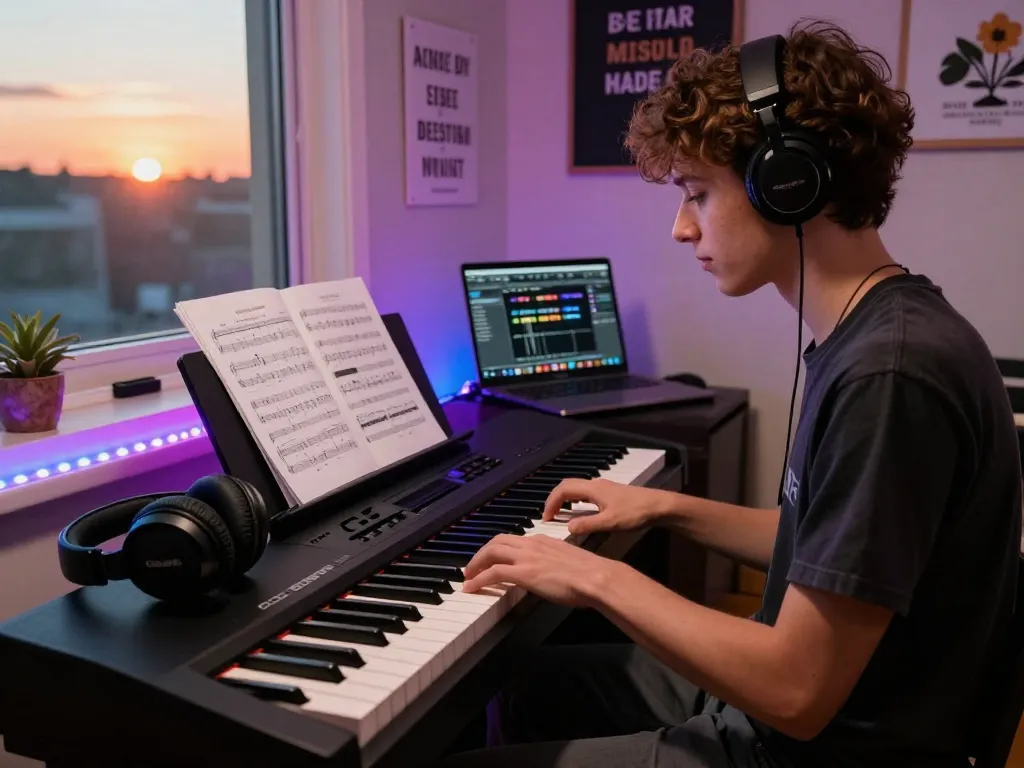
Understanding the Go 88 Digital Piano
The Go 88 digital piano is designed to cater to both beginners and experienced players seeking a portable and versatile instrument. With advancements in technology and an array of features, it bridges the gap between traditional piano playing and modern, tech-integrated music-making. Musicians looking for a high-quality, compact option will find the Go 88 to be a worthy investment. When exploring options, go 88 provides comprehensive insights into the features and benefits of this instrument.
What is the Go 88?
The Go 88 is an 88-key digital piano that offers the feel of an acoustic keyboard with the benefits of digital technology. It features a full-size keyboard layout, making it suitable for a wide variety of musical styles. Unlike traditional pianos, the Go 88 is lightweight and portable, allowing musicians to play anywhere, whether at home, in a studio, or on stage.
Key Features of the Go 88
- 88 Full-Size Keys: Every key is designed to replicate the feel of an acoustic piano, ensuring that players can develop proper finger techniques.
- Multiple Sound Options: The Go 88 comes equipped with a variety of sounds, including acoustic piano, electric piano, strings, and synths, which broadens the musical genres it can cover.
- Connectivity: With Bluetooth and USB options, the Go 88 can easily connect to devices for music apps, recording, and online lessons.
- Lightweight and Portable: Weighing approximately 12.8 lbs, it is easy to transport, making it ideal for gigs and practice sessions on the go.
Why Choose Go 88 for Beginners?
The Go 88 is particularly suited for beginners due to its combination of playability and educational features. It includes built-in tutorials and app connectivity that allow learners to follow along with popular songs, making practice engaging and effective. The variety of sound options can keep a beginner motivated, as they can experiment with different genres and styles.
Getting Started with the Go 88
Setting Up Your Go 88 for Success
To get started with your Go 88, the first step is proper setup. Place your digital piano on a sturdy surface or use a stand to ensure stability. Make sure to plug it into a power source or insert fresh batteries, depending on your preference for portability. Additionally, consider adjusting the volume to a comfortable level to avoid any jarring sounds during your first play.
Essential Accessories for the Go 88
- Piano Stand: Provides a stable platform while playing, enhancing comfort and performance.
- Sustain Pedal: This pedal allows for more expressive playing by letting notes ring out longer.
- Headphones: Essential for private practice, especially if you’re in a shared space.
- Music Stand: A great addition to hold sheet music or a tablet for digital scores.
Beginner-Friendly Songs to Practice
When starting with the Go 88, it’s helpful to play simpler songs that build confidence. Consider classics like “Twinkle, Twinkle Little Star” or “Mary Had a Little Lamb.” These songs require basic finger movements and can be played with one hand, allowing beginners to gradually build their skills.
Mastering Techniques for the Go 88
Basic Piano Techniques Every Player Should Know
Understanding basic piano techniques is crucial for any aspiring pianist. Start with finger positioning, ensuring that your fingers are curved and your wrists are relaxed. Practice scales and simple chord progressions, which are the foundation of most musical pieces. These techniques will build muscle memory and improve your overall proficiency on the instrument.
Advanced Features of the Go 88
The Go 88 boasts advanced features that can take your playing to the next level. One exciting aspect is the layer function, which allows you to combine different sounds. Experimenting with layering can lead to unique compositions and arrangements. Additionally, the onboard recording feature enables you to capture your performances for review and improvement.
Common Mistakes to Avoid While Learning
Many beginners make the mistake of neglecting proper posture. Slouching or tensing up can lead to discomfort and limit your playing ability. Additionally, avoiding regular practice can hinder progress; consistency is key in mastering any instrument. Lastly, don’t rush through learning songs. Take your time to grasp each note and transition smoothly between chords.
Creating a Personalized Practice Routine
How to Structure Your Practice Sessions
Effective practice requires structure. Start with a warm-up, such as scales or arpeggios, to get your fingers accustomed to the keys. Follow this by focusing on specific pieces, breaking them down into manageable sections. Finally, allocate time to experiment with improvisation or song composition to foster creativity.
Tracking Progress on the Go 88
Keeping track of your progress is vital for maintaining motivation. Use apps compatible with the Go 88 to log your practice times, set goals, and track achievements. This data can help you identify areas needing improvement and provide a sense of accomplishment as you reach milestones.
Incorporating Technology into Your Practice
Leverage technology to enhance your learning experience. Many apps allow you to play along with backing tracks or offer interactive lessons. Additionally, utilizing metronomes can assist with developing timing and rhythm, which are fundamental aspects of music performance.
Exploring Advanced Capabilities of the Go 88
Using the Go 88 with Music Software
The Go 88 can seamlessly integrate with various music software programs, expanding its functionality. Connect your piano to your computer via USB to use it as a MIDI controller for digital audio workstations like Ableton Live or GarageBand. This feature is invaluable for composers and producers looking to create music electronically.
Connecting with Other Musicians
Networking with other musicians can greatly enhance your skill set. Use the Go 88’s connectivity options to join online music communities. Collaborating with others can provide fresh insights and techniques, and being part of a musical group can foster motivation and creativity.
Future Trends in Digital Piano Technology for 2026
As digital pianos continue to evolve, expect advancements in sound quality and responsiveness. Technologies such as artificial intelligence will likely enhance user experience, offering personalized learning paths and adaptive feedback mechanisms for players. Furthermore, improved connectivity with smart devices will facilitate more interactive musical experiences.
What are the benefits of using the Go 88?
The Go 88 offers numerous benefits, including portability, versatility, and a wide range of sound options. Its educational features make it an excellent choice for beginners while still being sophisticated enough for advanced players. Additionally, its ability to connect with various apps and software enhances the learning experience.
Can I use the Go 88 for live performances?
Yes, the Go 88 is well-suited for live performances due to its portability and sound quality. Musicians can easily transport it to gigs, and its variety of sounds allows for versatility in live settings.
What makes the Go 88 different from other digital pianos?
The Go 88 stands out due to its combination of a full-sized keyboard in a lightweight design, making it accessible for all skill levels. It also offers a unique blend of advanced features tailored to modern musicians, ensuring it meets the needs of both practice and performance.
Are there any unique features in the Go 88 for composers?
For composers, the Go 88 includes a recording feature that allows users to capture their ideas directly. The ability to layer sounds and utilize effects further enhances compositional possibilities, making it a valuable tool for creativity and experimentation.