

Understanding the Roots of Stress and Anxiety
Definition of Stress and Anxiety
Stress and anxiety are intertwined emotional responses that many people experience in their daily lives. Stress is typically a reaction to a challenge or threat, while anxiety is the persistent feeling of apprehension or dread. Stress can prompt immediate reactions, both physically and psychologically, whereas anxiety may linger long after a stressor is gone. Both can disrupt daily functioning and hinder personal well-being, making it essential to understand their definitions to better manage them.
Common Triggers in Daily Life
Various factors in our daily lives can trigger stress and anxiety. Common triggers include work deadlines, relationships, financial pressures, health concerns, and major life changes. Furthermore, our increasingly fast-paced society, coupled with constant connectivity through technology, can elevate stress levels. Recognizing these triggers is vital for anyone looking to manage their stress and anxiety effectively.
The Psychological Impact of Stress and Anxiety
The effects of stress and anxiety extend to psychological health, potentially leading to conditions such as depression, panic disorders, and other mental health issues. Prolonged exposure to stress hormones like cortisol can impair cognitive functions, create emotional instability, and diminish overall quality of life. Understanding this impact underscores the importance of effective stress management as it is critical for maintaining emotional and psychological well-being.
Recognizing Symptoms of Stress and Anxiety
Physical Symptoms to Watch For
Stress and anxiety can manifest through various physical symptoms. Common signs include headaches, fatigue, muscle tension, and gastrointestinal problems. Other individuals may experience insomnia or changes in appetite, leading to weight gain or loss. Recognizing these symptoms early can facilitate prompt and effective coping strategies, reducing the overall impact on health and well-being.
Mental Symptoms and Their Effects
Mental symptoms of stress and anxiety often include persistent worry, difficulty concentrating, and memory problems. Individuals may find themselves feeling restless or on edge, which can affect performance in daily activities, whether at work or home. Acknowledging and addressing these mental symptoms is crucial for mental health maintenance and allows individuals to seek appropriate interventions.
Behavioral Signs of Stress and Anxiety
Behavioral changes can also indicate the presence of stress and anxiety. Increased irritability, social withdrawal, or changes in eating and sleeping patterns are commonplace. Some individuals may resort to unhealthy coping mechanisms such as substance abuse or excessive screen time. Being aware of these behavioral signs can help individuals take proactive steps toward managing their condition.
Effective Coping Mechanisms for Stress and Anxiety
Meditation and Mindfulness Techniques
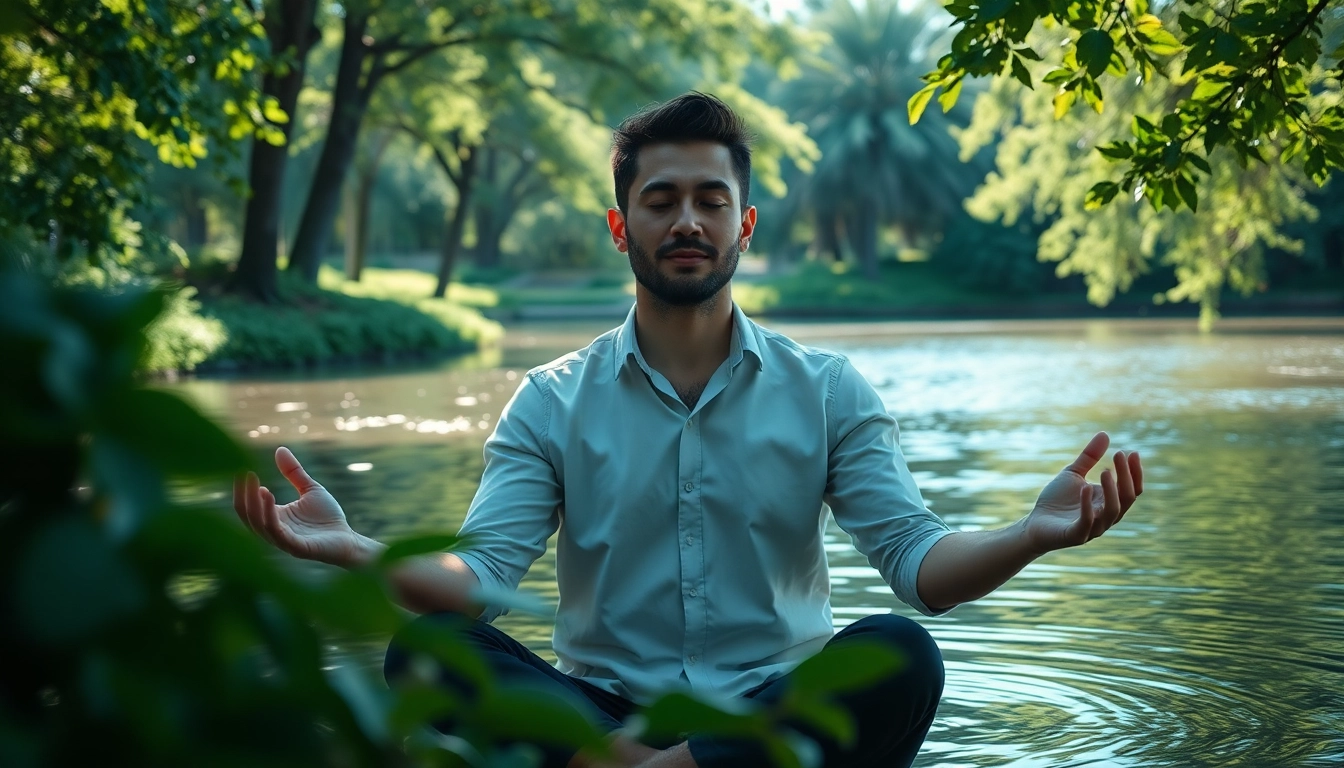
Meditation and mindfulness are powerful tools for managing stress and anxiety. Techniques such as deep breathing, progressive muscle relaxation, and guided imagery allow individuals to cultivate inner peace and reduce anxiety. A consistent mindfulness practice can help anchor individuals in the present, effectively diverting attention from stressors and fostering a calmer mindset.
Physical Activities for Mental Wellness
Engaging in regular physical activity has profound benefits for mental health, including stress and anxiety reduction. Exercise releases endorphins, often referred to as “feel-good” hormones, which can improve mood and promote relaxation. Activities such as walking, yoga, or strength training not only benefit physical health but also serve as effective stress relievers, enhancing overall mental wellness.
Healthy Lifestyle Choices to Reduce Stress and Anxiety
Adopting healthy lifestyle habits can significantly reduce stress and anxiety levels. Prioritizing a balanced diet, ensuring adequate hydration, reducing caffeine and alcohol intake, and establishing a regular sleep schedule all contribute to better emotional regulation. Additionally, taking time for hobbies and relaxation helps replenish energy levels, making it easier to cope with life’s challenges.
Seeking Professional Help for Stress and Anxiety
When to Consult a Mental Health Specialist
Knowing when to seek professional help for stress and anxiety is crucial. If symptoms become overwhelming, persistent, or interfere with daily functioning, it may be time to consult a mental health specialist. Ignoring these signs can lead to deteriorating mental health and reduced quality of life, making it essential to take the first step toward seeking help.
Types of Therapy Available
Many therapeutic options exist for managing stress and anxiety, with cognitive-behavioral therapy (CBT) being one of the most effective. CBT focuses on identifying and changing negative thought patterns and behaviors. Other therapeutic approaches include psychotherapy, group therapy, and even alternative therapies such as acupuncture or art therapy, allowing individuals to find what works best for their situation.
Medication Options for Severe Cases
In some instances, medication may be necessary to manage stress and anxiety effectively. Healthcare professionals may prescribe medications such as antidepressants, benzodiazepines, or beta-blockers. However, medication should be considered as part of a comprehensive treatment plan that includes therapy and lifestyle changes to ensure holistic management of the condition.
Building a Supportive Environment for Stress and Anxiety Management
The Role of Family and Friends
A strong support network plays a vital role in managing stress and anxiety. Family and friends can provide emotional support, lend an understanding ear, or simply be present during difficult times. Sharing feelings and concerns with loved ones not only lightens the emotional burden but also strengthens relationships, fostering a greater sense of belonging.
Create a Stress-Reducing Workspace
A well-organized and calm workspace can significantly reduce stress and anxiety levels, especially for those working from home. Implementing decluttering strategies, personalizing the space, and incorporating elements such as plants or soothing colors can enhance the overall work environment and promote a sense of tranquility.
Establishing Healthy Routines and Social Connections
Setting consistent routines can create a feeling of stability, which is especially beneficial for individuals dealing with stress and anxiety. Coupled with maintaining social connections, engaging in community activities or social groups that share similar interests can provide additional support and lessen feelings of isolation.
Frequently Asked Questions
What are the main signs of stress and anxiety?
Signs include physical symptoms like headaches, mental symptoms such as persistent worry, and behavioral signs like social withdrawal or irritability.
How can I reduce stress and anxiety naturally?
Engage in regular exercise, practice mindfulness or meditation, maintain a balanced diet, and ensure adequate sleep to reduce stress and anxiety naturally.
When should I see a doctor about my stress and anxiety?
Consult a doctor when symptoms are overwhelming, persistent, or impact your daily life significantly to discuss appropriate treatment options.
Can physical activity help with stress and anxiety?
Yes, physical activity releases endorphins, improves mood, and can serve as a healthy outlet to alleviate stress and anxiety.
What types of therapy are effective for managing stress and anxiety?
Cognitive-behavioral therapy (CBT), psychotherapy, art therapy, and group therapy are effective therapeutic approaches to managing stress and anxiety.
